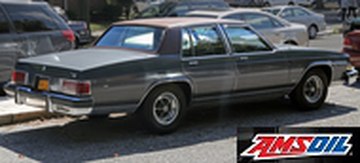
Engine Lubrication and Service for the 1982 Buick LESABRE 4.1L
Maintaining a vehicle from the early 1980s requires a shift in perspective toward consistent monitoring and proactive inspection. For the 1982 Buick LESABRE equipped with the 4.1L engine, routine lubrication service is a cornerstone of long-term mechanical health. Because older engines often operate under different thermal and mechanical stresses than modern counterparts, understanding how to monitor fluid condition and component integrity is essential for any owner.
Monitoring Fluid Integrity and Potential Leaks
One of the most effective ways to assess the health of a 4.1L engine is through regular visual inspections of the lubrication system. Over time, various seals and gaskets may experience changes in elasticity due to heat cycles and age. Rather than assuming a component has failed, owners should look for evidence of seepage or active leaks around the engine block and sealing surfaces.
When performing a routine check, observe the following:
- Surface Seepage: Look for oily residue or "wet" areas on the engine exterior that might indicate slow seepage from gaskets.
- Puddle Identification: Check the ground beneath the vehicle after it has been parked for an extended period to identify any active drips.
- Fluid Appearance: If the oil level is checked, note the color and consistency. While oil naturally darkens with use, extreme discoloration or a gritty texture can warrant further investigation.
It is important to remember that many symptoms, such as an oily residue on the engine, can have multiple causes. A small amount of seepage does not always indicate a critical failure, but it serves as a vital indicator for when more detailed maintenance may be required.
Prioritizing Maintenance Through Condition-Based Assessment
For owners of a 1982 Buick LESABRE, deciding which maintenance tasks to address first can be challenging. Instead of following rigid age-based assumptions, it is often more effective to prioritize service based on the actual current condition of the vehicle and its documented history.
If you are managing a vehicle where the previous service history is incomplete, establishing a baseline is a logical first step. This involves performing a comprehensive inspection of all fluids and accessible mechanical components to determine their current state. Once this baseline is set, maintenance can be prioritized as follows:
- Address Active Concerns: Any visible leaks, unusual noises, or changes in how the engine operates should be investigated before proceeding with elective cosmetic or minor repairs.
- Monitor Consumption: Keep a close eye on whether the engine requires more frequent top-offs of its lubricants. A sudden increase in consumption is a significant indicator that something in the system needs attention.
- Review Documentation: If service records are available, use them to identify patterns. For example, if certain components have been replaced recently, they may require less immediate attention than parts that have not been serviced in many years.
By focusing on the actual state of the 4.1L engine rather than just its age, you can make more informed decisions about where to allocate time and resources.
Observing Potential Warning Signs
While modern vehicles rely heavily on electronic sensors and dashboard indicators, older engines often require a more sensory approach to troubleshooting. Being attentive to changes in the vehicle's behavior can help identify issues before they escalate into significant mechanical problems.
An owner should be alert to several key indicators:
- Changes in Engine Sound: Any new or unusual mechanical noises during startup or while idling may indicate that lubrication is not reaching critical areas effectively.
- Exhaust Observations: While exhaust color can be influenced by many factors, certain types of smoke may warrant an inspection to ensure the engine is operating efficiently.
- Dashboard Indicators: If the vehicle is equipped with specific warning lights related to oil pressure or temperature, these should never be ignored. An active warning light requires immediate investigation.
Always approach these signs with caution; a single symptom does not provide a definitive diagnosis. For instance, an unusual odor might simply indicate oil contacting a hot external surface rather than an internal mechanical failure. Professional diagnosis is often necessary to confirm the exact source of a symptom.
Managing Aging Engine Components
As a vehicle reaches several decades of service, certain materials naturally undergo changes. For the 1982 Buick LESABRE, this means being mindful of components that are sensitive to time and temperature. This does not mean every old part needs replacement, but rather that they require more frequent observation.
If equipped, inspect accessible drive belts for signs of deterioration such as cracking, glazing, or fraying. Similarly, if the vehicle utilizes various hoses for its cooling or vacuum systems, check them for excessive softness, brittleness, or visible leaks. Electrical connections and wiring harnesses should also be inspected for signs of corrosion or insulation breakdown, which can affect overall engine performance.
The goal of age-related maintenance is to distinguish between parts that are simply old and those that are actually failing. A component that looks aged but remains structurally sound may not require immediate action, whereas a part showing physical signs of degradation should be prioritized for replacement.
Effective Record Keeping for Long-Term Ownership
One of the most valuable tools for maintaining an older vehicle is a detailed service log. For a 1982 Buick LESABRE, having a written history of what has been done—and when—can prevent redundant work and help identify emerging trends in the engine's health.
A useful maintenance record should include:
- Dates and Mileage: Every oil change, filter replacement, and mechanical repair should be logged with the corresponding odometer reading.
- Parts Used: Note the specific brands or part numbers used for filters and lubricants to ensure consistency in future service.
- Observations: If you noticed a small seep or a slight change in engine sound during a routine check, write it down. This allows you to track whether that observation becomes a more significant issue over time.
Consistent record-keeping transforms maintenance from a reactive process into a proactive one, allowing you to manage the 4.1L engine with greater precision and confidence.
Practical Guidance for Buying Engine Oil for your 1982 Buick LESABRE 4.1L
When it is time to replenish your engine's lubrication, the most important step is ensuring that the product you select matches the specific requirements of your application. To ensure proper performance and protection, match the engine oil to the application-specific viscosity information already displayed on this page.
Before making a purchase, always check the product labeling to verify that the oil meets current quality standards and certifications. Depending on your specific needs and the condition of your engine, you may encounter various formulations, including conventional, synthetic blends, or full synthetic oils. Some high-mileage oil formulations also contain additives intended for use in aging engines, such as seal-conditioning agents. However, rather than choosing based on marketing claims, always prioritize the viscosity and specifications provided in the application information above to ensure compatibility with your 1982 Buick LESABRE 4.1L.